
Blue Origin’s TeraWave Satellite Network Takes Aim at Starlink
Blue Origin is preparing to launch a powerful new satellite communications system, the TeraWave network. But don’t expect to switch your internet provider just yet. The company won’t begin building the TeraWave orbital constellation until 2027, and it’s not designed for everyday consumers. Instead, Blue Origin aims to serve data centers, government clients, and enterprise operations. This marks another bold move byBlue Origin to compete with SpaceX and its Starlink network, which already dominates the space-based internet sector.
What Is TeraWave, and Who Is It For?
Blue Origin announced plans to launch 5,408 satellites for the TeraWave network, beginning in late 2027. According to the company, the system is engineered to deliver speeds up to six terabytes per second, a significant leap over standard consumer services. TeraWave is intended for high-priority users who require dependable, high-speed connectivity—such as data centers, enterprises, and government operations.
Blue Origin’s Growing Rocket Fleet
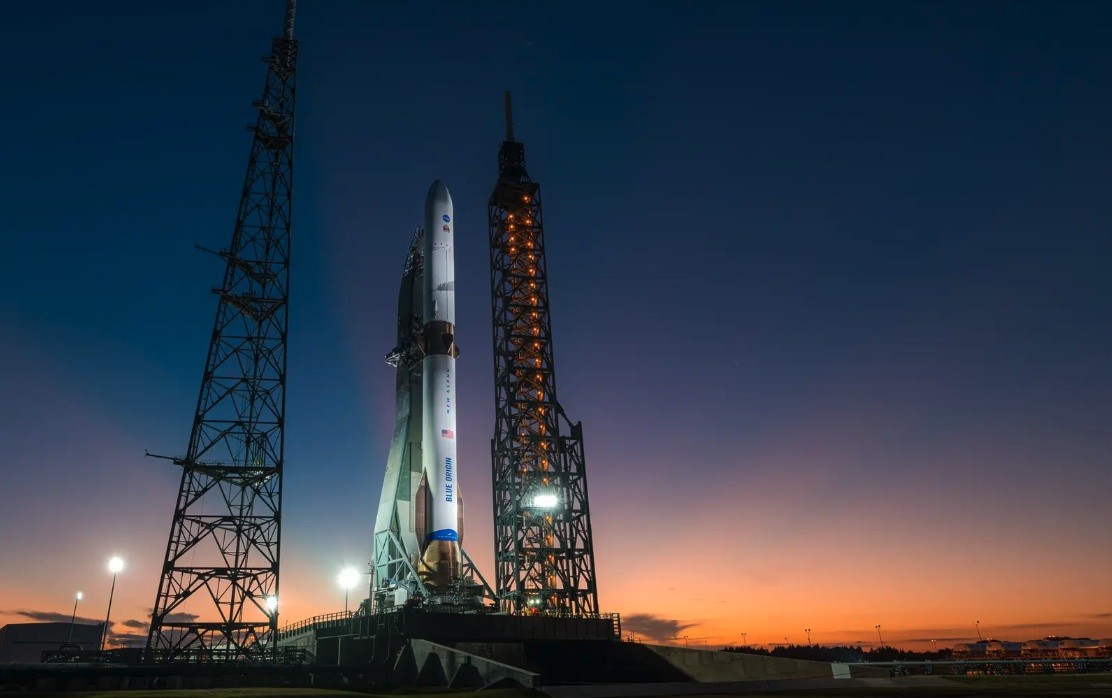
Founded in 2000 by Jeff Bezos, Blue Origin operates from Washington State and has developed two key launch vehicles: New Glenn and New Shepard. The 322-foot New Glenn rocket, which launches from Cape Canaveral, has already flown multiple missions, including a NASA Mars satellite deployment in November. The smaller New Shepard, launching from West Texas, offers brief spaceflights for up to six passengers. Bezos himself flew aboard New Shepard’s first crewed flight in July 2021.
How TeraWave Compares to Starlink and Amazon Leo
While TeraWave focuses on institutional clients, Bezos’ other satellite project—Amazon Leo (formerly Project Kuiper) targets consumers and small businesses. Amazon has already launched 180 of the 3,200 planned broadband satellites. Another 32 are scheduled for launch on February 12 from French Guiana using the Arianespace system. These satellites orbit closer to Earth than traditional ones, allowing faster data transmission.
In contrast, Elon Musk’s SpaceX leads the satellite internet market. Its Falcon 9 rocket has deployed nearly 10,000 Starlink satellites to date, with more than 7 million customers worldwide. Blue Origin’s TeraWave and Amazon Leo represent direct challenges to Musk’s dominance, though both still have considerable ground to cover.