
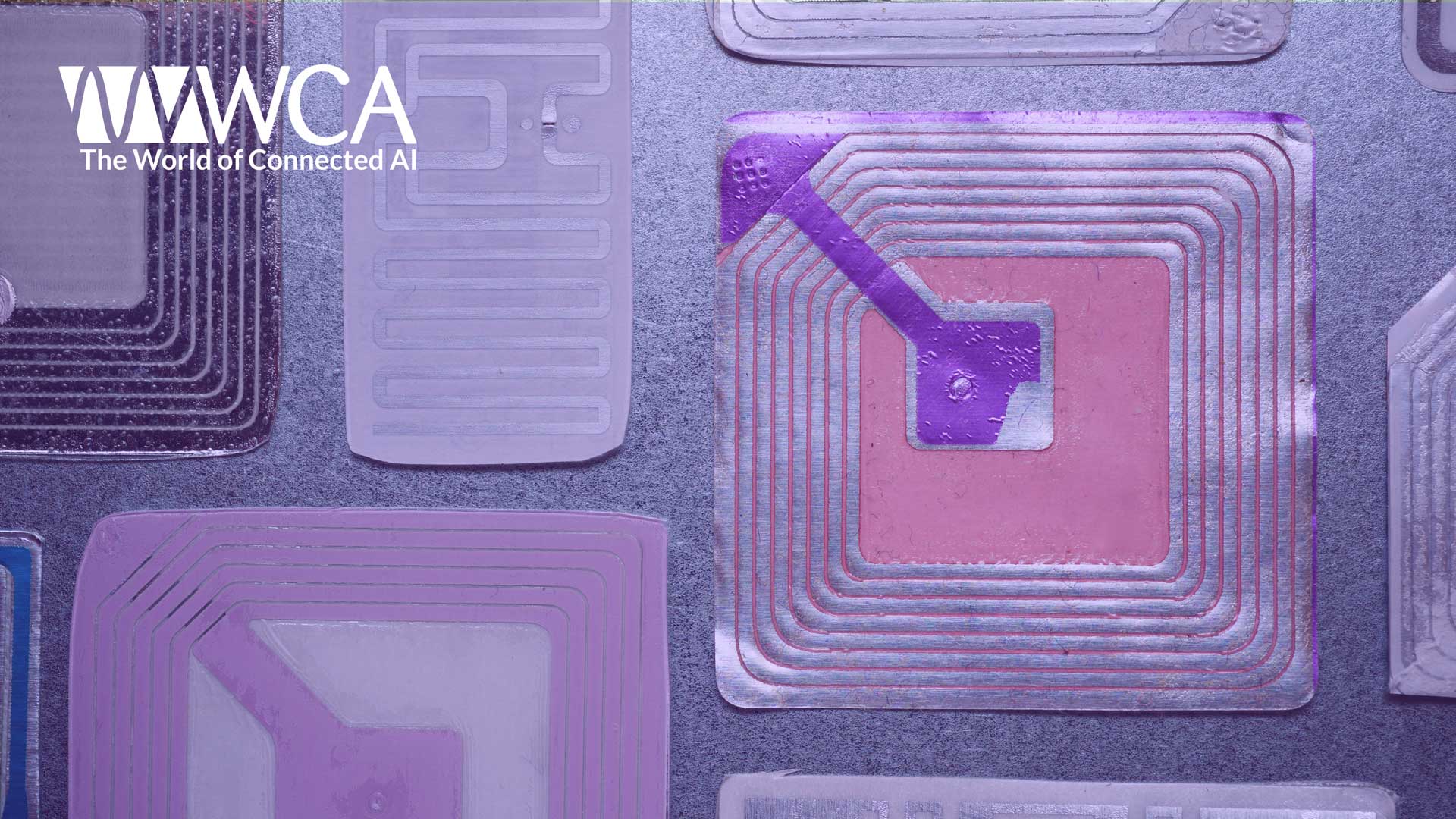
Retailers face soaring losses as food waste is projected to reach $540 billion in 2026. RFID labels for perishables are emerging as a powerful solution. Grocery stores lose billions each year due to spoiled meat, bakery items, deli items, and fresh produce. Strict expiry dates and demand for fresh products increase pressure. As a result, inventory teams struggle to track stock in real time.
However, new RFID inlays now perform better in cold, damp, and crowded shelves. These improvements help retailers reduce spoilage, improve visibility, and protect margins while supporting sustainability goals.
Why Perishable Food Waste Is So Costly
Perishable goods move quickly and require constant monitoring. Staff must rotate stock, adjust pricing, and remove expired items daily. Consequently, retailers rely on manual checks, which increase labor costs and errors. Moreover, cold storage, metal trays, and foil packaging disrupt traditional RFID signals. Dense shelf layouts further reduce read accuracy. Because food retail operates on tight margins, any technology must deliver a clear return on investment.
How Gen2X Technology Improves RFID Performance
Modern RFID systems follow the Gen2v2 standard. However, perishables demand stronger performance. Impinj developed Gen2X enhancements to improve speed, sensitivity, and reliability. For example, Tag Reply Formatting strengthens the signal between the tag and the reader. Fast Re-inventory suppresses duplicate responses, which speeds up scanning cycles. In addition, Tag Quieting reduces interference in high-volume environments. Tag Selection limits unnecessary responses, which improves accuracy. Power Boost increases effective transmit power, extending read range and improving reliability in cold and metallic settings.
Avery Dennison AD IdentiFresh Inlay Series
Avery Dennison introduced the AD IdentiFresh Inlay Series to address these challenges. The labels use Impinj M800 series endpoint ICs with Gen2X support. As a result, retailers gain stronger performance without increasing label size. Importantly, Gen2X remains compatible with Gen2v2 standards. However, both readers and tags must support the features. Therefore, Impinj collaborates with industry partners and licenses Gen2X royalty-free to accelerate adoption.
Driving Automation and AI in Food Retail
RFID labels for perishables do more than track stock. They enable automation across the supply chain. For instance, overhead readers support automated receiving and grab-and-go checkout. Furthermore, real-time data feeds AI models for better demand forecasting. Retailers can also adjust pricing dynamically based on inventory levels and expiry dates. Even small reductions in spoilage can deliver major savings at scale.
As adoption grows, smarter RFID systems may redefine how retailers manage fresh food and reduce waste worldwide.